
Best Cardiology Surgery Hospital in Odisha
Told you need heart surgery? The right question is not only who operates, but who decides. At Hi-Tech, cardiologists, cardiac surgeons and cardiac anaesthetists read your angiogram together before anyone picks up a scalpel.
Cardiac surgery in Bhubaneswar runs on one campus here, from the first ECG to bypass surgery, intensive care and your last follow-up visit.
A bypass graft, routing blood around a blocked artery
What is cardiology surgery?
Cardiology surgery, more precisely called cardiac surgery or heart surgery, is an operation on the heart, its valves or the arteries that feed it. The commonest operations are coronary artery bypass grafting (CABG), which routes blood around a blocked artery, and heart valve repair or replacement, which restores one-way flow through the heart. Cardiothoracic surgeons perform them with a cardiac anaesthetist and an intensive care team.
Cardiology and cardiac surgery are two halves of the same job. A cardiologist diagnoses the problem and treats much of it without an incision, using medicines or a catheter threaded through your wrist. A cardiac surgeon takes over when the damage is past what a catheter can reach, for example several tightly blocked arteries or a valve that no longer closes.
That is why the decision matters as much as the operation. Your angiogram is read by both specialists at Hi-Tech, so you are not sent to surgery for a problem a stent could have solved, and not sent home with tablets when your heart needs more.
When is heart surgery needed?
Most heart problems are managed with medicines, a healthier routine or a stent. Surgery becomes the better option when the damage is beyond what those can fix. Your heart team may recommend an operation if you have:
- Blockages in several heart arteries, or in the main artery on the left side, that are not suitable for stents
- A heart valve that is badly narrowed or leaking and is straining the heart
- A hole or other structural defect in the heart, present from birth
- A weakened or bulging section of the aorta, the body's main artery
- Chest pain that keeps returning despite the right medicines at the right doses
- Heart failure that is getting worse, where a mechanical cause can be corrected
Diabetes, high blood pressure, smoking and chewing tobacco, high cholesterol and a family history of early heart disease all raise your risk. People with diabetes often feel milder warning symptoms, so a timely cardiology review matters more, not less.
Having chest pain right now?
Do not wait for an appointment. Chest pain lasting more than a few minutes, pain spreading to the arm, jaw or back, sweating, vomiting or sudden breathlessness can signal a heart attack. Call 108 or reach the nearest emergency department at once. Our line: 0674-3500900. Learn the warning signs of cardiac arrest and what chest tightness can mean.
Heart conditions our team treats
Types of heart surgery and cardiac procedures
Good heart care starts with the right diagnosis, not the biggest operation. The team chooses the least invasive treatment that will actually work for you.
Coronary artery bypass grafting (CABG)
Heart bypass surgery works like a detour around a blocked road. The surgeon takes a healthy blood vessel from your chest, arm or leg and connects it above and below the blockage, so blood reaches the starved heart muscle again. The blockage itself is left alone.
Most people need more than one graft, which is where terms like double or triple bypass come from. The number simply counts the detours, not the severity of your character.
- On-pump CABG. The heart is stopped and a heart-lung machine takes over circulation while the surgeon works on a still target. This is the standard approach.
- Off-pump CABG, also called beating heart surgery. The grafts are sewn while the heart keeps beating, avoiding the heart-lung machine in selected patients.
- Minimally invasive bypass. Smaller incisions between the ribs instead of opening the breastbone, suitable only for some blockage patterns.
Heart valve repair and replacement
Your heart has four valves that keep blood moving in one direction. Rheumatic fever, ageing or infection can leave a valve too tight to open properly or too loose to close, and the heart muscle thickens trying to compensate.
- Valve repair. The surgeon reshapes or tightens your own valve where it can be saved, which avoids a lifetime of blood thinners in many cases.
- Valve replacement. A damaged valve is replaced with a mechanical valve, which lasts longer but needs lifelong blood thinners, or a tissue valve, which needs fewer medicines but may wear out sooner.
- Double valve surgery. Two valves repaired or replaced in the same operation, common where rheumatic disease has affected both the mitral and aortic valve.
Which valve type suits you depends on your age, your ability to take and monitor blood thinners, and whether you plan a pregnancy. Your surgeon walks through both options with you before consent.
Congenital, aortic, thoracic and vascular surgery
- Surgery for holes in the heart (ASD, VSD). Closes an opening between the heart chambers that has been there since birth.
- Aortic surgery. Repairs a weakened or widened section of the body's main artery.
- Thoracic surgery. Operations on the lungs and chest wall, handled by the same cardiothoracic team.
- Vascular surgery. Treatment for blocked or weakened arteries outside the heart, including the legs and neck.
Congenital defects are sometimes closed with a device through a catheter instead of an operation. Which route suits a particular child or adult depends on the size and position of the defect.
Angioplasty, stenting and rhythm devices
Not every blocked artery needs an operation. Many are treated in the cath lab through a puncture in the wrist or groin, with no chest incision and a much shorter stay. Our interventional cardiology team handles these, and you can read more about the full range of heart treatment in Bhubaneswar.
- Coronary angiography. A dye test that shows exactly where and how badly your heart arteries are narrowed. Read more about the coronary angiogram in Odisha.
- Coronary angioplasty and stenting. A small balloon opens the blockage and a stent holds the artery open, usually through the wrist.
- Pacemaker implantation. A small device under the skin keeps a dangerously slow heartbeat at a safe, steady rate.
- Electrophysiology study. Maps the heart's electrical wiring to find the source of an irregular heartbeat.
Your heart surgery, step by step
Surgery is precise work. Recovery is patient work. Knowing what lies ahead makes the whole journey calmer for you and for your family.
- Consultation and tests. A cardiologist reviews your symptoms and existing reports, then orders only the tests you still need. These usually include an ECG, an echocardiogram, blood tests and a coronary angiogram.
- Heart team review. The cardiologist, the cardiac surgeon and the cardiac anaesthetist look at your angiogram together and agree on medicines, a stent or surgery. You are told the reasoning, not just the verdict.
- Pre-anaesthesia assessment. The anaesthetist checks your lungs, kidneys, sugar control and dental health, and explains how your personal risk was calculated.
- Medicine and lifestyle preparation. You get a written plan for which medicines to pause, especially blood thinners and diabetes medicines, and when to stop eating. Stop smoking and chewing tobacco as early as you can, because it genuinely changes how your lungs and wound behave afterwards.
- Admission planning. Bring every earlier report, your angiogram CD and your medicine list with doses. Arrange for a family member to stay with you, and finish the insurance approval before you are admitted.
- Final checks. Nurses confirm your fasting, start an IV line, and the consent conversation is completed with you and your family.
- Anaesthesia. You are given general anaesthesia and stay fully asleep throughout. A breathing tube supports your lungs while you are under.
- Access to the heart. For most open heart operations the surgeon opens the breastbone to reach the heart. Smaller incisions between the ribs are used in selected minimally invasive cases.
- The operation. In bypass surgery the grafts are sewn above and below each blockage. In valve surgery the valve is repaired or replaced. A heart-lung machine takes over your circulation while the heart is still, unless the team is working on a beating heart.
- Closing and transfer. The breastbone is wired closed, drains are placed, and you are moved straight to intensive care, still asleep. Bypass surgery usually takes three to six hours, depending on the number of grafts.
- Intensive care. You wake in the cardiac ICU with monitors, drains and often a breathing tube for a few hours. Most patients spend one to two days here before moving to a ward, supported by our ICU and CCU teams.
- Ward recovery. Nurses and physiotherapists help you sit, stand, walk and practise deep breathing. Moving early and breathing deeply prevent most of the problems that follow heart surgery.
- Discharge. Across open heart operations the average hospital stay is about five days. You leave with a wound care plan, a medicine list, warning signs to watch for and a follow-up date.
- Recovery at home. Walk a little further each day, keep the wound clean and dry, avoid lifting and pushing, and do not drive until your surgeon clears you. Most people feel much better by six weeks and recover fully in around 12 weeks. Our guides to keeping your heart strong and improving heart health naturally cover what to change for good.
- Follow-up and rehabilitation. Regular reviews check your wound, rhythm and medicines, and a guided activity plan helps you return to work and normal life safely.
- Call us if needed. Contact the hospital for fever, a wound that leaks or opens, sudden breathlessness, a racing or very irregular heartbeat, or swelling in the legs.
Risks of heart surgery, stated plainly
Heart surgery is major surgery, and you deserve the honest version. Possible complications include bleeding that needs a transfusion or a second look, infection of the wound or chest, an irregular heartbeat such as atrial fibrillation, stroke, strain on the kidneys, fluid around the lungs and reactions to anaesthesia. Some people notice memory fogginess or low mood for weeks afterwards, which usually settles.
Your individual risk depends on your age, how well your heart pumps, how urgent the operation is, and conditions such as diabetes, kidney disease or long-standing lung disease. A planned operation in a stable patient carries very different risk from an emergency one.
Set that against the risk of doing nothing. A severe left main blockage or a failing valve left untreated carries its own high risk, which is the comparison your surgeon will walk you through before you decide.
Operations here run with cardiac anaesthesia and intensive care on the same campus, so if something goes wrong in the first hours, help is in the next room rather than in another building.
Results after heart surgery
Bypass surgery relieves angina in most people and helps them return to ordinary activity. Valve surgery usually eases breathlessness and protects the heart muscle from further strain. Neither cures the underlying disease, which is why medicines, diet, activity and follow-up still matter after the stitches are out.
What shapes your outcome is fairly predictable: how well your heart was pumping before surgery, how many arteries or valves were involved, whether the operation was planned or an emergency, your diabetes and kidney function, and whether you stop tobacco for good.
People often want the stent against surgery question answered in one line. It cannot be, but here is the comparison your heart team actually works through. Both sit within our wider cardiology department.
| Angioplasty with a stent | Bypass surgery (CABG) | |
|---|---|---|
| What it does | Opens the blocked segment from inside the artery | Routes blood around the blockage with a graft |
| Access | A puncture in the wrist or groin, no chest incision | Usually an incision over the breastbone, under general anaesthesia |
| Suits | One or two suitable blockages, and emergencies during a heart attack | Several blockages, left main disease, diabetes with widespread disease, weak pumping |
| Usual hospital stay | One to two days | About five days, including intensive care |
| Back to routine | Within about a week in most cases | Around six to 12 weeks, with a graded activity plan |
Cardiac technology and diagnostics at Hi-Tech
Clear pictures lead to clear decisions. If you are comparing a cardiac surgery hospital in Bhubaneswar, ask which machines sit behind the decision. Here are ours, along with the tests that run before and after an operation.
Real-time angiographic imaging for coronary angiography and angioplasty.
A second cath lab for fluoroscopy-guided heart procedures.
Intravascular ultrasound shows the artery wall from inside, which helps size stents in selected cases.
A balloon pump that supports a struggling heart during selected high-risk procedures and after surgery.
Echocardiography shows the heart's chambers, valves and pumping strength, and transesophageal echocardiography (TEE) gives a closer view when a valve needs assessing before surgery.
Treadmill test (TMT) and 24-hour Holter monitoring in the work-up before surgery, alongside an ECG.
Tests you may need before surgery
Blood tests for haemoglobin, sugar, kidney and liver function and clotting. An ECG and an echocardiogram to measure rhythm and pumping strength. A treadmill test (TMT) or Holter monitoring where symptoms come and go. A coronary angiogram to map the blockages. A chest X-ray, and in selected cases cardiac CT angiography, to plan the operation.
Heart surgery cost in Odisha, and how insurance works
No honest page can give you a single figure for heart surgery cost in Odisha, because the bill is built from your case, not from a price list. What moves it:
- The operation itself, for example bypass surgery against single or double valve replacement
- The valve or implant chosen, where a mechanical and a tissue valve differ
- How long you need intensive care, which is the single biggest variable
- Your room category on the ward
- Pre-surgery investigations you still need
- Other conditions such as diabetes, kidney disease or lung disease that need extra care
Hi-Tech received the BIG Health Excellence Award 2026 for Excellence in Best Hospital for Affordable Healthcare. Call 0674-3500900 with your reports and the team prepares a written estimate for your case before admission, so your family is not working from guesswork.
Insurance and cashless care. Most health insurance policies cover a medically advised heart operation. Our insurance and TPA helpdesk checks your policy, confirms what your cover includes and handles cashless approval or reimbursement paperwork. Share your policy details when you book, because approvals take time and are best started before admission.
Government health schemes. Hi-Tech Medical College & Hospital, Bhubaneswar, is empanelled under Biju Swasthya Kalyan Yojana (BSKY) and Ayushman Bharat PM-JAY. If you hold a BSKY or Ayushman card, carry it with your Aadhaar and your reports to the OPD visit. The helpdesk checks your eligibility, tells you which part of your heart treatment the scheme covers and completes the approval before admission, so your family is not arranging money at the last minute.
Your heart team in Bhubaneswar
Whichever cardiologist in Bhubaneswar you see at Hi-Tech, they assess your symptoms, advise on the right test and review every result with you. Cardiothoracic surgeons, cardiac anaesthetists and critical care specialists work alongside them on the same campus, which is what makes a joint decision on your angiogram possible.
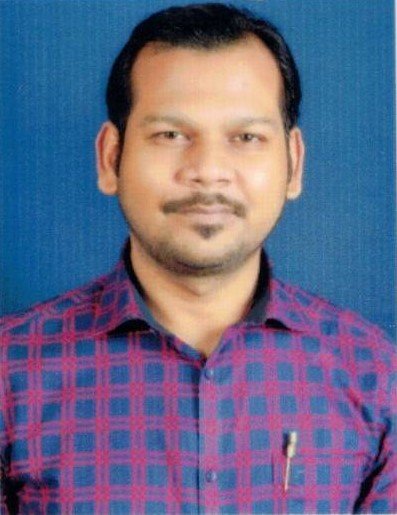
Dr. Swetanka Das
Department of CARDIO THORACIC & VASCULAR SURGERY
Designation: Sr. Consultant & HOD
Qualification: DNB
📍 Bhubaneswar
Call Now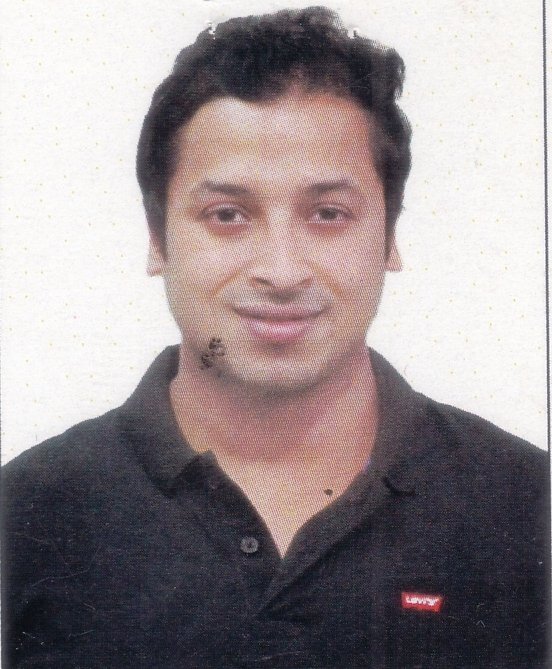
Dr. Sumeet Kumar Das
Department of CARDIO THORACIC & VASCULAR SURGERY
Designation: Asst. Prof. (Cardiac Anaesthesia)
Qualification: MD
📍 Bhubaneswar
Call Now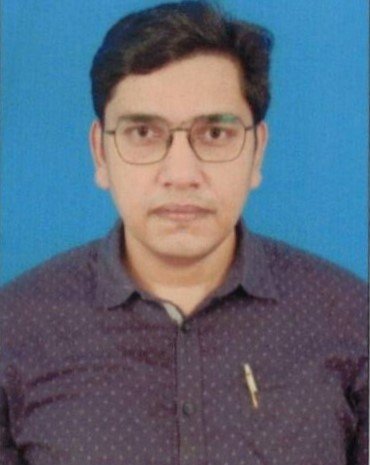
Dr. Smruti Prakash Sahu
Department of CARDIO THORACIC & VASCULAR SURGERY
Designation: Asst. Professor
Qualification: DNB (CTVS)
📍 Bhubaneswar
Call Now
Dr. Sathya Swaroop Patnaik
Department of CARDIO THORACIC & VASCULAR SURGERY
Designation: Assoc. Prof., Cardiac Anaesthesia
Qualification: DNB, fellow
📍 Bhubaneswar
Call Now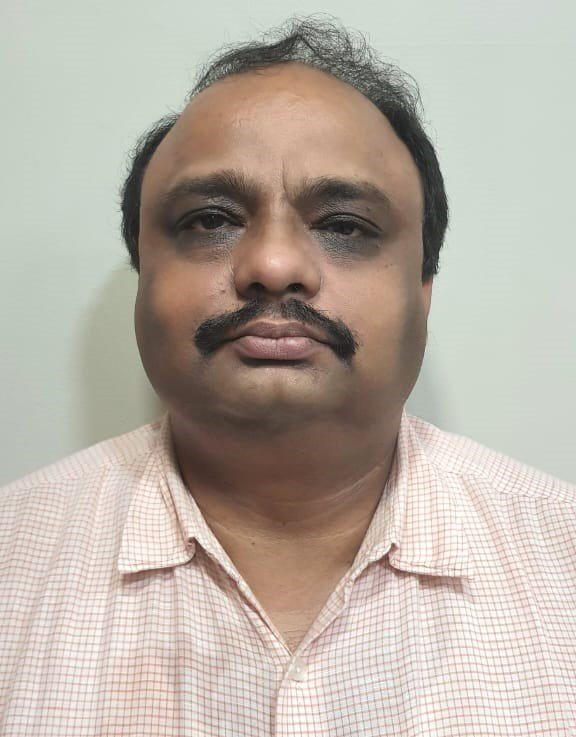
Dr. Debashish Nayak
Department of CARDIO THORACIC & VASCULAR SURGERY
Designation: Assoc. Prof. & Sr. Consol
Qualification: M.Ch
📍 Bhubaneswar
Call Now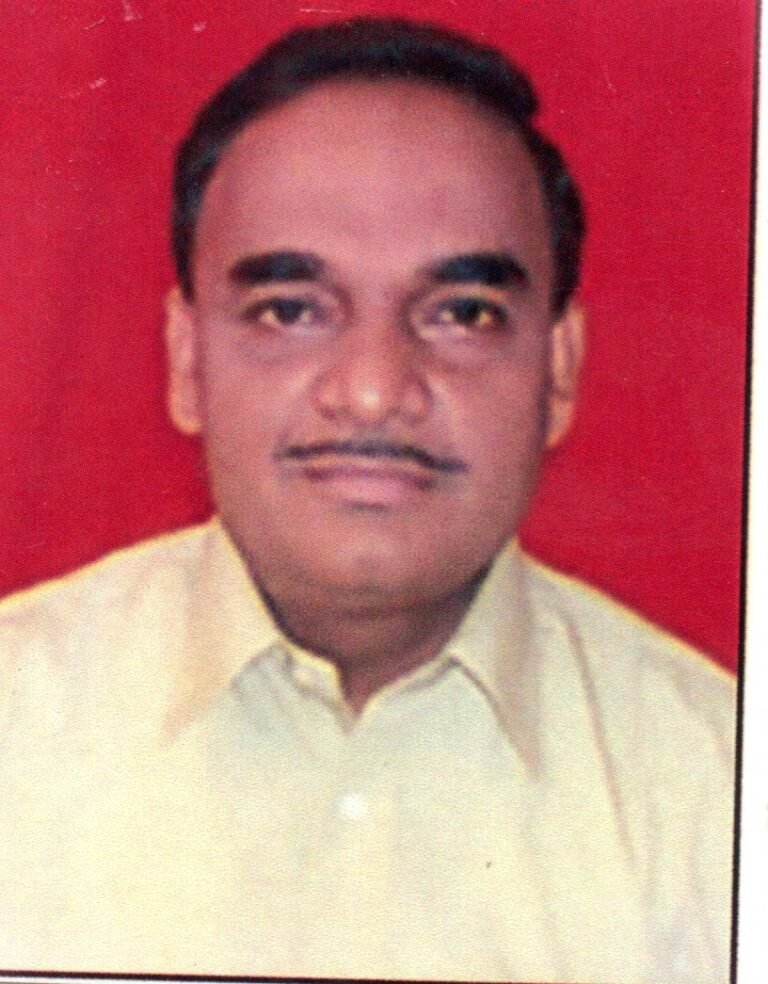
Dr. Akshaya Kumar Samal
Department of Cardiology
Designation: Em-Professor
Qualification: DM
📍 Bhubaneswar
Call Now
Dr. Pravat Kumar Dash
Department of Cardiology
Designation: Visiting Consultant
Qualification: DM
📍 Bhubaneswar
Call Now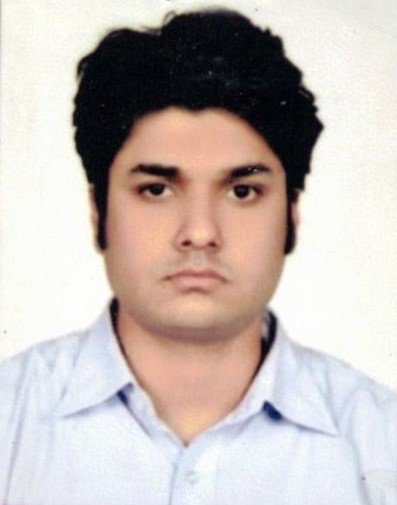
Dr. Sidharth Sritam Pattnaik
Department of Cardiology
Designation: Consultant
Qualification: DM
📍 Bhubaneswar
Call Now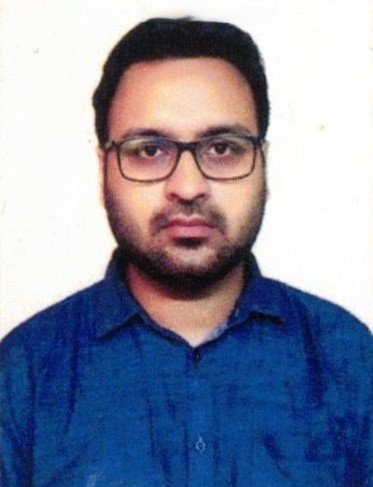
Dr. Ritesh Acharya
Department of Cardiology
Designation: Consultant
Qualification: DM
📍 Bhubaneswar
Call Now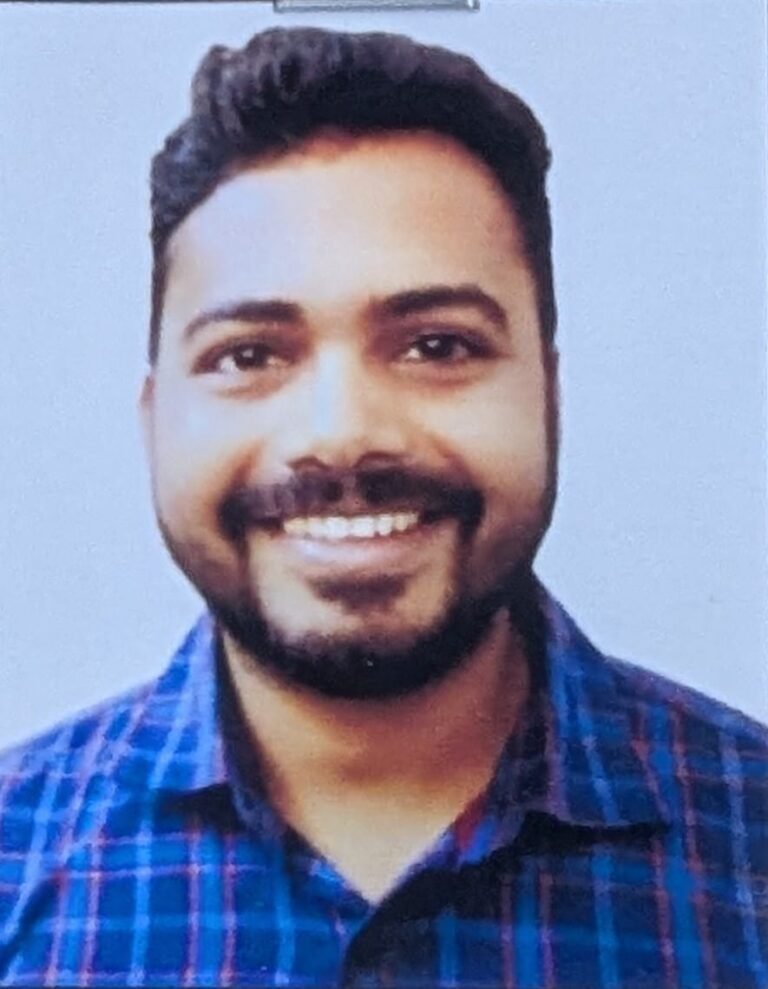
Dr. Satyajit Padhiary
Department of Cardiology
Designation: Asst. Professor
Qualification: DM
📍 Bhubaneswar
Call NowWhy patients across Odisha choose Hi-Tech for heart surgery
When you compare any cardiac surgery hospital in Odisha, look for four things in one place: a cardiothoracic surgery team, a cardiology team with a working cath lab, cardiac anaesthesia, and intensive care that can hold a patient through a difficult night. Splitting those across two buildings is where heart care goes wrong.
Hi-Tech has all four on the Bhubaneswar campus. Our cardiology department was ranked No. 1 in Cardiology at the Times Health Icons Odisha 2026, and the hospital was named Best Multi-Super Speciality Hospital at the News18 Odia Healthcare Summit 2026. With 28 years of service, 935 beds and 256 ICU beds across 10 specialised units, the hospital can hold both a routine angiogram and the rare emergency that follows an operation.
The Bhubaneswar campus holds NABH accreditation, which means an external body has audited how we run clinical care, infection control, medication safety and patient records. For heart surgery, where the margin for error is thin, that matters more than it does for an ordinary consultation. The campus is also empanelled under BSKY and Ayushman Bharat PM-JAY. More on our NABH accredited facility.
Being a medical college hospital changes the day-to-day too. Senior faculty teach, supervise and review cases, so decisions get a second pair of eyes as a matter of routine rather than as a favour. Read more about our cardiology and cardiac care team.
Coming from outside Bhubaneswar? Most of our heart patients travel in from districts across Odisha. Call ahead with your reports, and the team tells you which tests can be completed on the same day, so you make fewer trips to our Bhubaneswar campus. The insurance desk can start your approval or scheme eligibility check before you arrive.
Heart surgery in Odisha: frequently asked questions
Which is the best cardiology surgery hospital in Odisha?
Judge a heart surgery hospital on four things: a cardiothoracic surgery team, a cardiology team with a working cath lab, cardiac anaesthesia, and ICU backup on the same campus. Hi-Tech Medical College & Hospital, Bhubaneswar, has all four, and its cardiology department was ranked No. 1 in Cardiology at the Times Health Icons Odisha 2026.
Which heart surgeries are done at Hi-Tech Hospital, Bhubaneswar?
The Cardio Thoracic & Vascular Surgery department performs coronary artery bypass grafting (CABG) and heart valve repair and replacement. The cardiology team performs coronary angiography, angioplasty with stenting and pacemaker implantation in the cath lab, so diagnosis and treatment stay on one campus.
How do doctors decide between a stent and bypass surgery?
The decision depends on how many arteries are blocked, where the blockages sit, how well your heart pumps, whether you have diabetes and your overall health. At Hi-Tech the cardiologist and the cardiac surgeon review your angiogram together before recommending medicines, a stent or bypass surgery.
How long does heart bypass surgery take?
Coronary artery bypass grafting usually takes three to six hours, depending on how many grafts are needed. Valve surgery takes a similar time. Your family should plan for a longer wait, because preparation, anaesthesia and the shift to intensive care all add time.
Is open heart surgery safe?
Heart surgery is a major operation and it carries real risk, including bleeding, infection, an irregular heartbeat, stroke, kidney strain and reactions to anaesthesia. For most people the risk of leaving a severe blockage or a failing valve untreated is higher. Your surgeon and anaesthetist explain your personal risk before you sign consent.
How long will I stay in hospital after heart surgery?
Most patients spend one to two days in intensive care and about five days in hospital in total after open heart surgery. Your surgeon gives you a stay estimate based on the operation, your heart function and any other conditions.
How long does recovery after heart surgery take?
Full recovery after open heart surgery usually takes around 12 weeks, though many people feel much better by six weeks. Walking a little further each day, keeping the wound clean and dry, taking medicines on time and attending every follow-up visit all speed recovery.
How much does heart surgery cost in Odisha?
The cost depends on the operation, the valve or implant used, the length of intensive care and ward stay, your room choice and any other health conditions. Call 0674-3500900 or share your reports, and the team prepares a written estimate for your case before admission.
Can I use health insurance for heart surgery at Hi-Tech Hospital?
Yes. The insurance and TPA helpdesk handles cashless approval and reimbursement paperwork for heart surgery. Share your policy details when you book, so the team can check your cover and start the approval before admission.
Is heart surgery covered under BSKY or Ayushman Bharat at Hi-Tech Hospital?
Hi-Tech Medical College & Hospital, Bhubaneswar, is empanelled under Biju Swasthya Kalyan Yojana (BSKY) and Ayushman Bharat PM-JAY. Bring your scheme card, your Aadhaar and your reports to the OPD visit. The helpdesk checks your eligibility, explains which part of your heart treatment the scheme covers and completes the approval before admission.
I live outside Bhubaneswar. How do I plan a visit for heart surgery?
Call 0674-3500900 to book an OPD appointment and bring every previous report, your angiogram CD and your medicine list. The team tells you which tests can be done on the same day, so you reduce repeat trips from your district.
Book a heart surgery consultation
Bring your reports and your questions. Our cardiology and cardiac surgery team will tell you whether you need an operation, which one suits you, and what it will involve. For chest pain, breathlessness or fainting, do not wait for a call back. Go to the nearest emergency department now.
Hi-Tech Medical College & Hospital, Health Park, Pandara, Bhubaneswar, Odisha 751025
Medical references
National Heart, Lung, and Blood Institute, Coronary Artery Bypass Grafting: https://www.nhlbi.nih.gov/health/coronary-artery-bypass-grafting
National Heart, Lung, and Blood Institute, Heart Surgery Recovery: https://www.nhlbi.nih.gov/health/heart-surgery/recovery
NHS, Coronary artery bypass graft: https://www.nhs.uk/conditions/coronary-artery-bypass-graft-cabg/
Mayo Clinic, Heart valve surgery: https://www.mayoclinic.org/tests-procedures/heart-valve-surgery/about/pac-20384901
This page gives general information and does not replace a consultation with your cardiologist or cardiac surgeon.