Neurosciences

Your health can’t wait, and neither do we
Reach our 24/7 Emergency Helpline for care

Call Us when you Need Help!
24/7 Support: 0674 3500900

Best Neurology Hospital in Bhubaneswar | Top Hospital for Neurosurgery | Hi-Tech Hospital

Comprehensive brain, spine, and nerve care from Hi-Tech Medical College & Hospital 

Hi-Tech Medical College & Hospital’s Department of Neurology provides diagnosis, treatment, and long-term management of disorders affecting the brain, spinal cord, nerves, and muscles. Our neurologists in Bhubaneswar combine clinical expertise with advanced neurodiagnostic support, working alongside neurosurgery, critical care, and rehabilitation to deliver coordinated care from first consultation through recovery. 


Why Choose Hi-Tech for Neurology

Choosing a neurology hospital in Bhubaneswar means choosing the team that will manage your care through diagnosis, treatment, and recovery. Here is what sets our neurology department apart. 

Experienced Neurologists

Our neurologists hold DM qualifications in neurology and see patients across the full range of neurological conditions, from common migraine and headache disorders to complex cases like multiple sclerosis and motor neuron disease. Every treatment plan is built around your specific diagnosis, not a standard protocol. 

Advanced Neurodiagnostic Facilities

EEG, EMG, and NCV testing are available on site, supported by CT and MRI imaging. This means fewer referrals to outside centers and faster turnaround between testing and treatment, which matters when a condition like epilepsy or stroke needs a quick answer. 

Multidisciplinary Coordination

Neurology at Hi-Tech Hospital works closely with neurosurgery, critical care, radiology, and rehabilitation. A stroke patient, for example, moves from emergency evaluation to acute treatment to rehabilitation planning without being handed between disconnected departments. 

24×7 Neuro Emergency Care 

Neurological emergencies such as stroke and seizure do not wait for office hours. Our emergency and critical care teams are equipped to respond around the clock. 

Patient Centred Treatment Plans 

We treat the person, not just the scan. Long term outcomes, quality of life, and the patient’s own goals shape every treatment decision, alongside the clinical picture. 

Continuity Through Rehabilitation 

Neurological recovery often continues well past the initial treatment. Our follow up and rehabilitation support, delivered with physiotherapy and multidisciplinary input, is built into the care plan rather than treated as a separate step. 

Common Neurology Conditions

A stroke happens when blood supply to part of the brain is suddenly interrupted or reduced, cutting off oxygen to brain tissue. Fast evaluation and treatment limit brain damage and improve the chances of recovery. 

Our Care Includes: 

Diagnosis and Assessment 

Treatment and Recovery 

Rapid neurological evaluation in the emergency department 

Clot-dissolving medication for eligible patients within the treatment window 

CT and MRI imaging to confirm stroke type and location 

Blood pressure and fluid management to stabilize the patient 

Coordination with critical care for high-risk cases 

Physiotherapy-led rehabilitation to rebuild movement and speech 

Epilepsy causes recurrent seizures due to abnormal electrical activity in the brain. Long-term management focuses on controlling seizures and helping patients return to normal daily routines. 

Our Care Includes: 

Diagnosis and Assessment 

Treatment and Recovery 

EEG to record brain electrical activity and confirm seizure type 

Antiseizure medication tailored to seizure type and patient history 

MRI to check for underlying structural causes 

Regular monitoring and dose adjustment as needed 

Detailed seizure history and neurological examination 

Referral for surgical evaluation in medication-resistant cases 

Migraine is a neurological condition, not just a bad headache. It can bring severe pain, nausea, and sensitivity to light or sound, and it often disrupts daily life for hours or days at a time. 

Our Care Includes: 

Diagnosis and Assessment 

Treatment and Recovery 

Detailed headache history to identify triggers and patterns 

Medication for acute attacks and for long-term prevention 

Neurological examination to rule out other causes 

Lifestyle guidance covering sleep, diet, and stress triggers 

Imaging when symptoms suggest a need for further evaluation 

Regular follow-up to adjust treatment as patterns change 

Parkinson’s disease is a progressive condition that affects movement, causing tremors, stiffness, and slowed motion over time. Early diagnosis and consistent treatment help patients stay independent for longer. 

Our Care Includes: 

Diagnosis and Assessment 

Treatment and Recovery 

Clinical evaluation of movement, gait, and reflexes 

Medication to manage motor symptoms and slow disability 

MRI to rule out other causes of movement symptoms 

Physiotherapy to support balance and mobility 

Ongoing symptom tracking to guide treatment changes 

Regular follow-up to adjust medication as the condition progresses 

Dementia affects memory, thinking, and day-to-day functioning. Our team focuses on accurate diagnosis, family counselling, and a care plan that supports both the patient and the people looking after them.   

Our Care Includes: 

Diagnosis and Assessment

Treatment and Recovery 

Cognitive assessment and detailed patient history

Medication to manage symptoms where appropriate 

MRI and laboratory tests to identify treatable causes

Counselling and guidance for patients and families 

Evaluation for reversible contributors to memory loss

Long-term follow-up to monitor disease progression 

Multiple sclerosis is an autoimmune condition that affects the brain and spinal cord, disrupting communication between the brain and body. Symptoms vary widely, which makes an accurate diagnosis the first priority. 

Our Care Includes: 

Diagnosis and Assessment 

Treatment and Recovery 

MRI of the brain and spine to identify affected areas 

Medication to manage flare-ups and reduce relapse frequency 

Neurological examination to track symptom patterns 

Physiotherapy to maintain strength and mobility 

Laboratory tests to support diagnosis 

Long-term follow-up and symptom management 

Peripheral neuropathy results from nerve damage, often causing numbness, tingling, or burning pain in the hands and feet. Identifying the underlying cause is central to effective treatment. 

Our Care Includes: 

Diagnosis and Assessment 

Treatment and Recovery 

NCV and EMG testing to assess nerve and muscle function 

Medication to manage pain and nerve-related symptoms 

Laboratory tests to identify underlying causes 

Treatment of the underlying condition where identified 

Detailed neurological examination 

Follow-up to track symptom improvement over time 

Vertigo causes a spinning or dizzy sensation that can come from the inner ear or the nervous system. Pinpointing the source is key to choosing the right treatment. 

Our Care Includes: 

Diagnosis and Assessment 

Treatment and Recovery 

Neurological examination to assess balance and coordination 

Medication to manage acute symptoms 

Imaging when a neurological cause is suspected 

Vestibular exercises to improve balance over time 

Assessment to distinguish inner ear from neurological causes 

Follow-up to confirm symptoms are resolving 

Meet Our Doctors

As a top-rated multispecialty hospital in Bhubaneswar with some of the region’s best doctors, we bring deep experience across specialties, backed by continuous training & a genuine commitment to every patient’s care. 

Doc Simanchal mohapatara-bbsr

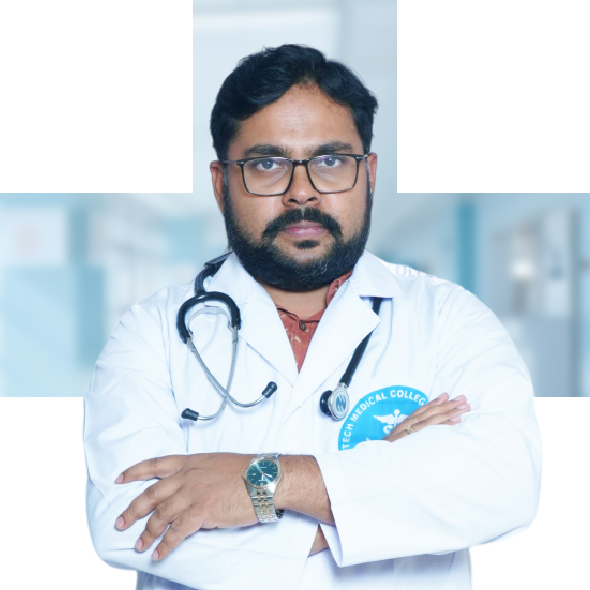
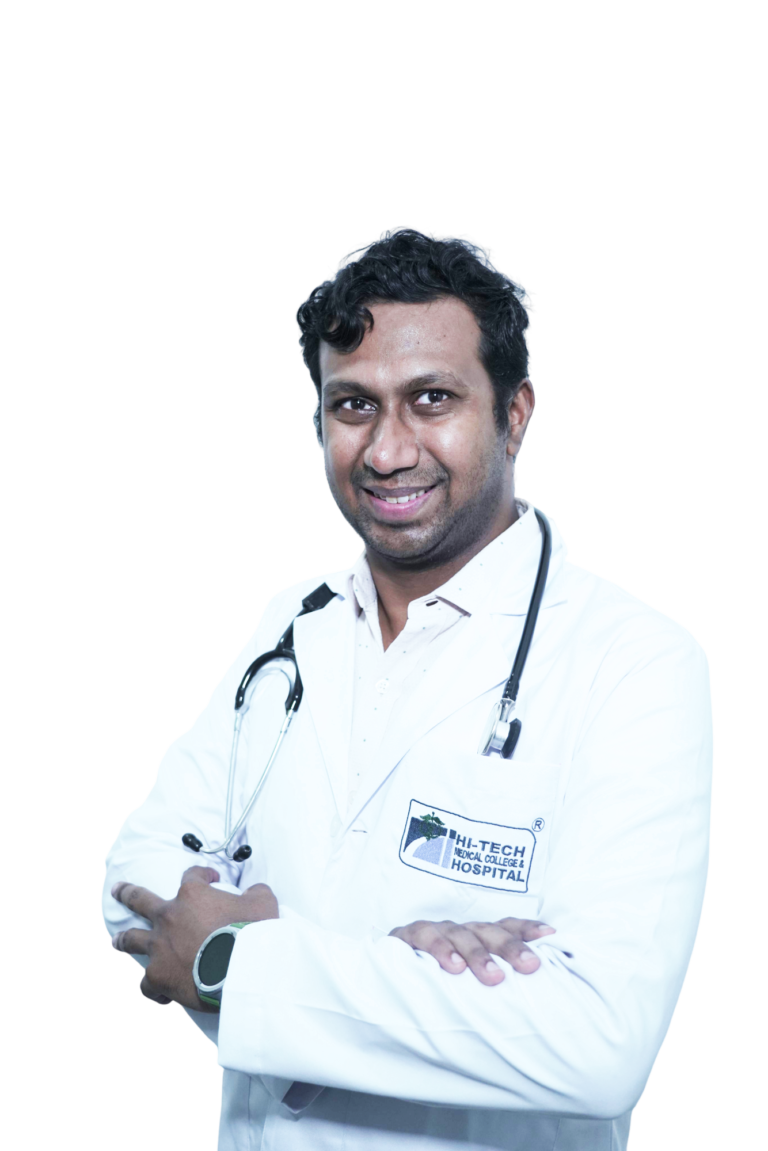
Dr. Simanchal Mohapatra

Neurosurgery

Qualification: M.Ch

Consultant

📍 Bhubaneswar

Dr. Mohit Sidhore

Neurosurgery

Qualification: DNB

Consultant

📍 Bhubaneswar

Dr. Boni Krishna Chaitanya

Neurosurgery

Qualification: M.Ch

📍 Bhubaneswar

Dr Anurag Satapathy-Neruology-bbsr

Dr. Anurag Satpathy

Neurology

Qualification: DM

Assoc. Prof. & HOD

📍 Bhubaneswar

Subhankar Mishra Neurology-bbsr

Dr. Shubhankar Mishra

Neurology

Qualification: DM

Asst. Professor

📍 Bhubaneswar

Dr. Tapas Pani

Neurology

Qualification: DM

Asst. Professor

📍 Bhubaneswar

Dr. Debasish Hota-BBSR

Dr. Debasish Hota

Neurology

Qualification: DM & Fellow

Consultant (Intervent)

📍 Bhubaneswar

Dr. Gurupada Das

Neurology

Qualification: DM

Consultant

📍 Bhubaneswar


Diagnostic & Tests

The Department of Neurology at Hi-Tech Medical College & Hospital offers a full range of diagnostic services to identify neurological conditions accurately. Our diagnostic team uses established imaging and electrophysiology tools to support precise, individualized treatment planning.

Imaging Tests

A. CT Scan: 

Computed Tomography (CT) produces detailed cross-sectional images of the brain and surrounding structures, helping identify structural changes quickly. 
What This Test Shows: 

  • Structural abnormalities such as bleeding, tumors, or infection 
  • Signs of stroke or recent brain injury 

B. MRI:

Magnetic Resonance Imaging gives a detailed view of the brain and spinal cord, useful for conditions that CT may not fully capture. 
What This Test Shows: 

  • Soft tissue changes linked to stroke, multiple sclerosis, or tumors 
  • Structural causes behind seizures or chronic headaches 

 Neuro Electrophysiology

A. Electroencephalogram (EEG): 

EEG records the brain’s electrical activity through electrodes placed on the scalp, helping confirm and classify seizure activity. 
What This Test Shows: 

  • Abnormal brain wave patterns linked to epilepsy 
  • Evidence of other electrical disturbances affecting brain function 

B. Electromyography (EMG):

EMG evaluates the electrical activity of muscles to assess how well nerves are signaling to muscle tissue. 
What This Test Shows:

  • Signs of nerve or muscle dysfunction 
  • Patterns that help distinguish nerve disorders from muscle disorders 

Nerve Conduction Velocity (NCV)

NCV measures how quickly electrical signals travel along a nerve, often performed alongside EMG 
What This Test Shows: 

  • Nerve damage or compression affecting signal speed 
  • Confirmation of peripheral Aptos (Body)neuropathy and its severity 
Treatment & Procedure

With a coordinated team spanning neurology, neurosurgery, and critical care, the Department of Neurosciences at Hi-Tech Medical College & Hospital provides care across diagnosis, treatment, surgery, and recovery. Below are the key procedures we offer, along with what each one treats and the benefits it provides. 

Surgical removal of benign and malignant brain tumors, planned using imaging guidance to protect surrounding healthy tissue as much as possible. 

Benefits: 

  • Removes or reduces tumor mass to relieve pressure on the brain 
  • Provides tissue for accurate diagnosis and staging 
  • Planned around preserving neurological function 

Surgical treatment for disc herniation, spinal stenosis, spinal deformity, and spinal trauma, aimed at relieving nerve compression and restoring stability. 

Benefits: 

  • Relieves pain and nerve-related symptoms like numbness or weakness 
  • Restores spinal stability after injury or degeneration 
  • Supports return to daily activity and mobility 

Emergency neurosurgical care for traumatic brain and spine injuries, coordinated closely with the emergency department and critical care. 

Benefits: 

  • Addresses life-threatening bleeding or pressure quickly 
  • Reduces risk of long-term neurological damage 
  • Backed by critical care support through recovery 

Shunt placement and related procedures to manage fluid buildup around the brain, relieving pressure and preventing further neurological damage. 

Benefits: 

  • Reduces pressure on the brain caused by fluid buildup 
  • Helps prevent further neurological decline 
  • Long-term management through follow-up shunt care 

Surgical treatment for nerve compression and nerve injury affecting movement or sensation in the limbs. 

Benefits: 

  • Relieves numbness, tingling, and weakness caused by nerve compression 
  • Restores nerve function where possible 
  • Improves ability to perform daily tasks 

Surgical options for epilepsy that does not respond to medication alone, considered after thorough evaluation by the neurology team. 

Benefits: 

  • Can significantly reduce or eliminate seizures in appropriate candidates 
  • Reduces long-term dependence on high-dose medication 
  • Evaluated jointly by neurology and neurosurgery before recommendation 

Catheter-based clot removal for acute ischemic stroke, performed within the critical treatment window to restore blood flow to the brain. 

Benefits: 

  • Restores blood flow quickly to limit brain damage 
  • Minimally invasive compared to open surgery 
  • Improves chances of functional recovery after stroke 

Minimally invasive treatment for brain aneurysms, placing coils through a catheter to reduce the risk of rupture. 

Benefits: 

  • Reduces risk of aneurysm rupture and bleeding 
  • Avoids open brain surgery for eligible cases 
  • Shorter recovery compared to surgical clipping 

Endovascular treatment to block abnormal tangles of blood vessels in the brain, reducing the risk of bleeding. 

Benefits: 

  • Lowers risk of hemorrhage from the AVM 
  • Minimally invasive, catheter-based approach 
  • Can be used alongside surgery or radiation in complex cases 

Placement of a stent to open narrowed carotid arteries and reduce the risk of stroke. 

Benefits: 

  • Reduces stroke risk from carotid artery narrowing 
  • Minimally invasive alternative to open carotid surgery 
  • Shorter recovery time for eligible patients 


Patient Testimonials

Are you having health problems? Contact us today!

Address
Hi-Tech Hospital Road, Pandra, Rasulgarh, Bhubaneswar, Odisha, 751010
Contact Us
Mail Us: info@hi-techmedical.org
Call Us 24/7: 0674-3500-900 WhatsApp Us:-+91 90787 15805
Working Time
Monday - Saturday: 7.00am - 19.00pm
Sunday: 8.30am - 19.30pm